Note 05 · Views
Coastal and mountain roads
The smallest roads are the ones visitors remember most. Here are the best-known coastal and mountain routes, what they demand in time and equipment, and when not to drive them.
The coastal roads
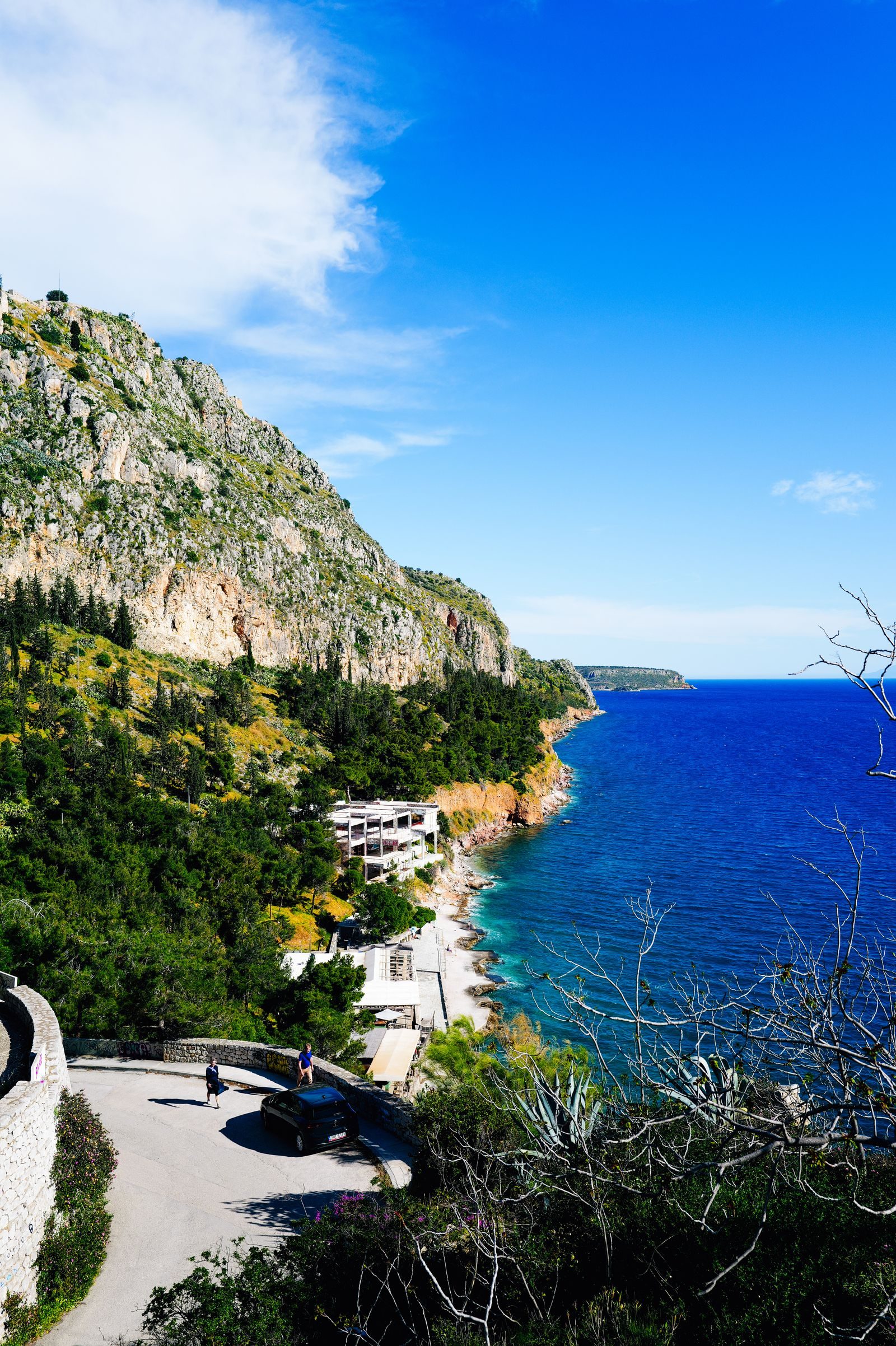
The west coast is among the most visited parts of the country, and the road itself is part of the pleasure. These roads are not built for speed; they are built for views.
Wild Atlantic Way
The Wild Atlantic Way is a signposted route that runs from Donegal down to Cork, following the west coast. It is not a single road: it is made up of local roads and national roads together, and it is marked with brown signs. Viewpoints are marked with brown signs carrying the viewpoint symbol.
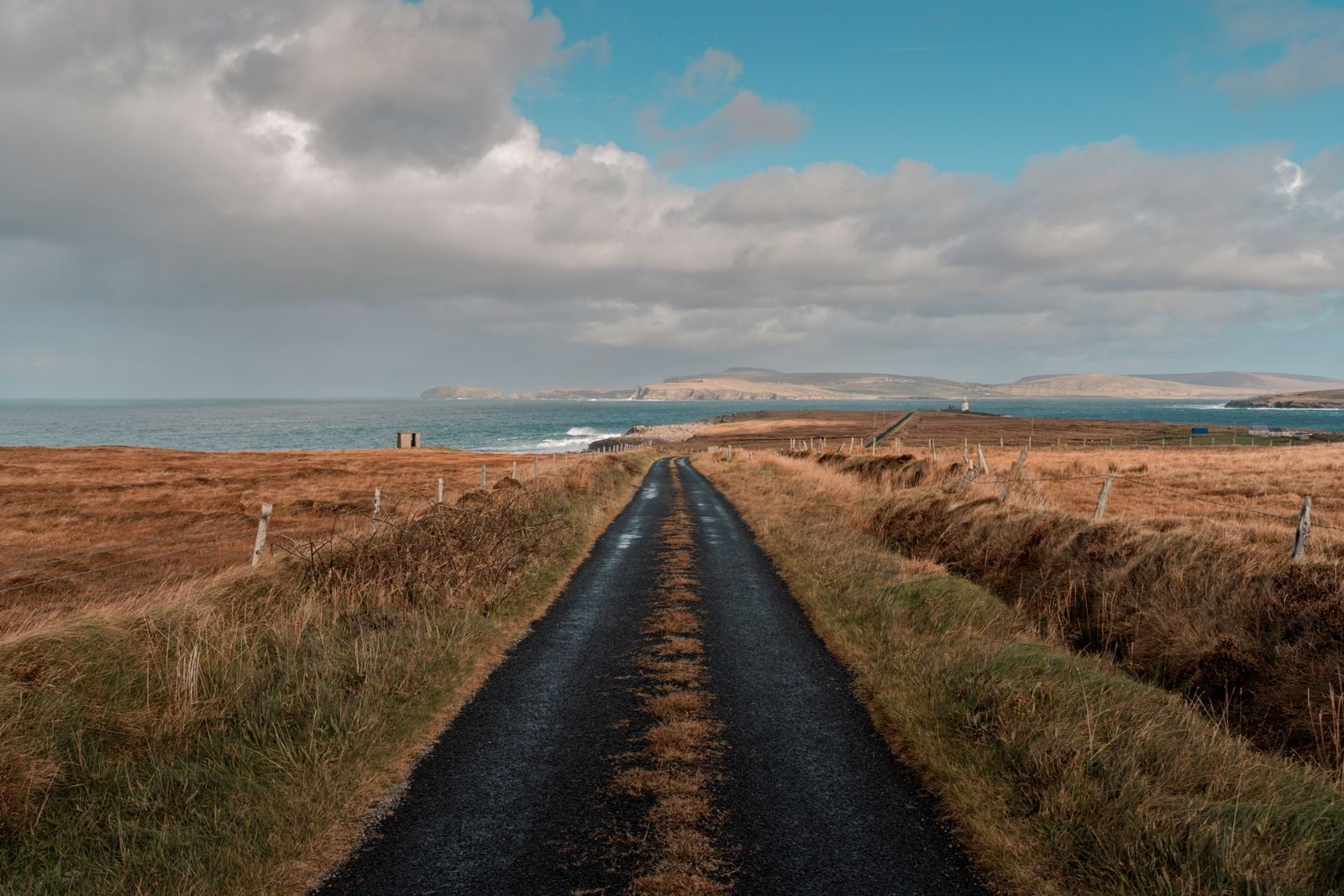
The whole route cannot be done in a single day. If you want to do parts of it, choose one region and stay there: the distances between points are often longer than they look on the map.
Ring of Kerry
A large loop around the Iveragh Peninsula in County Kerry. It is famous, and so it carries heavy traffic in summer, particularly on the narrowest stretches. If you are driving, watch for coaches and cyclists coming the other way.
Conor Pass
A mountain road that is among the highest in the country, and narrow in places. It is not suitable for large cars or for vehicles towing. If there is fog, the view can disappear entirely, and then there is no reason to drive it.
Mountain roads
There are a number of mountain roads known for their views that are narrow, winding and unfenced. Here is the general advice for them:
| Road | The kind of road | What is advised |
|---|---|---|
| Conor Pass | Narrow, high, winding | Drive slowly; check the weather in advance; do not take a large van. |
| Healy Pass | Narrow, winding, high | Room for one car at a time; be ready to stop. |
| Sally Gap | Open mountain road | Fog is common; there are no services on the route. |
| Gap of Dunloe | Narrow road and track | A car is not always suitable; check in advance. |
| Glengesh Pass | Narrow, high | Use the viewpoints, not the road itself, to stop. |
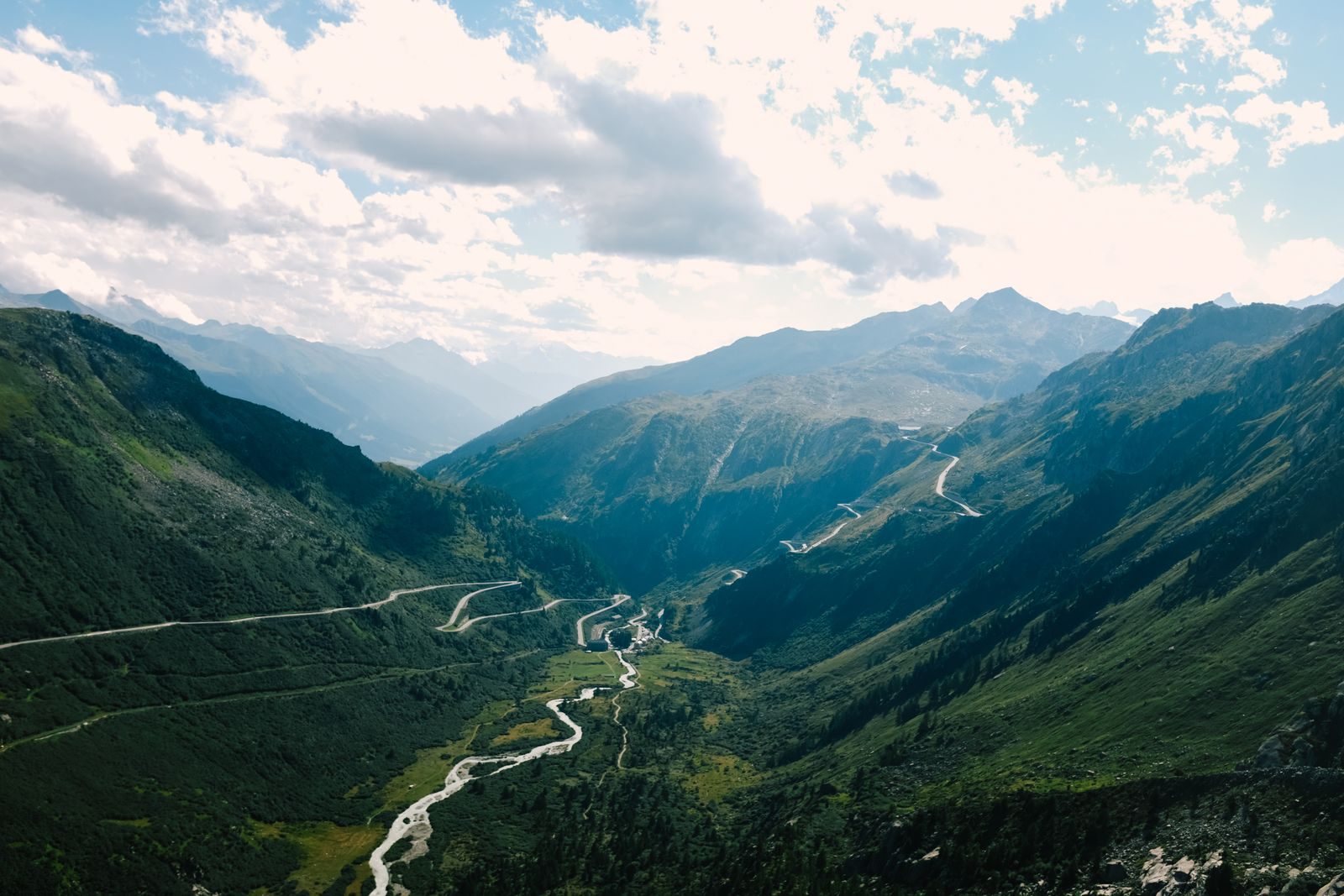
Narrow roads: the most important advice
- Do not stop on the road to take a photograph. Carry on to the next viewpoint.
- If a car is coming towards you on a narrow road, pull in on your left if you can and let it pass.
- Do not reverse on a narrow road without looking. A car coming towards you is easily missed.
- In fog or a strong wind, reduce speed and do not use high beam.
- Watch for tractors, coaches and herds of animals.
Weather and time
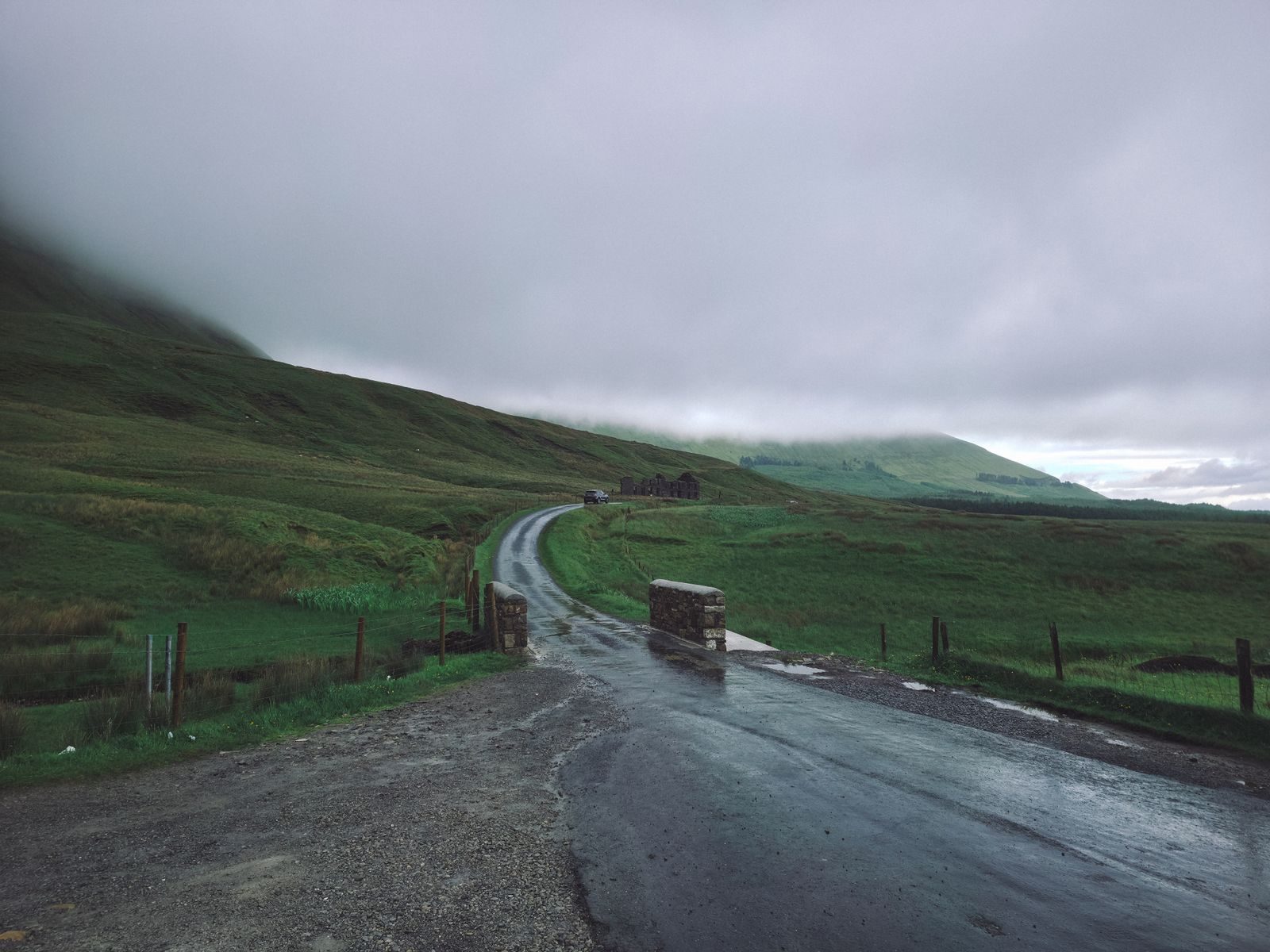
Irish weather can change quickly, especially on the coast and in the mountains. Fog is common, and it is not always clear when it will lift. Do not expect motorway speeds on a narrow coastal road: 30 or 40 km/h is often a realistic speed.
Do not over-plan. If two points are on your plan with a narrow road between them, decide between them before you set off. It is not the number of places that makes the trip, but the time you spend in them.
Questions about this note
Short answers to the things people ask most.
Can the Wild Atlantic Way be done in one day?
No. It is more than 2,000 km long and the roads are often narrow and slow. Pick one region per day.
Do I need a 4x4 for mountain roads?
Usually not. But you need a car suited to narrow roads and a confident driver. Mountain roads are not wide.
Are coastal roads open in winter?
Most are open, but ice, snow or rockfall can close them temporarily.
What is the best time to visit the coast?
Traffic is heaviest between July and August. The roads are quieter early in the morning and after 6pm.
Related notes
Further reading that goes with this material.