
Note 07 · Preparation
Planning a trip on Irish roads
Journeys in Ireland are shorter than people often expect, but they are not as quick. Here are the things worth deciding before you set off: time, fuel, parking and the weather.
Driving time
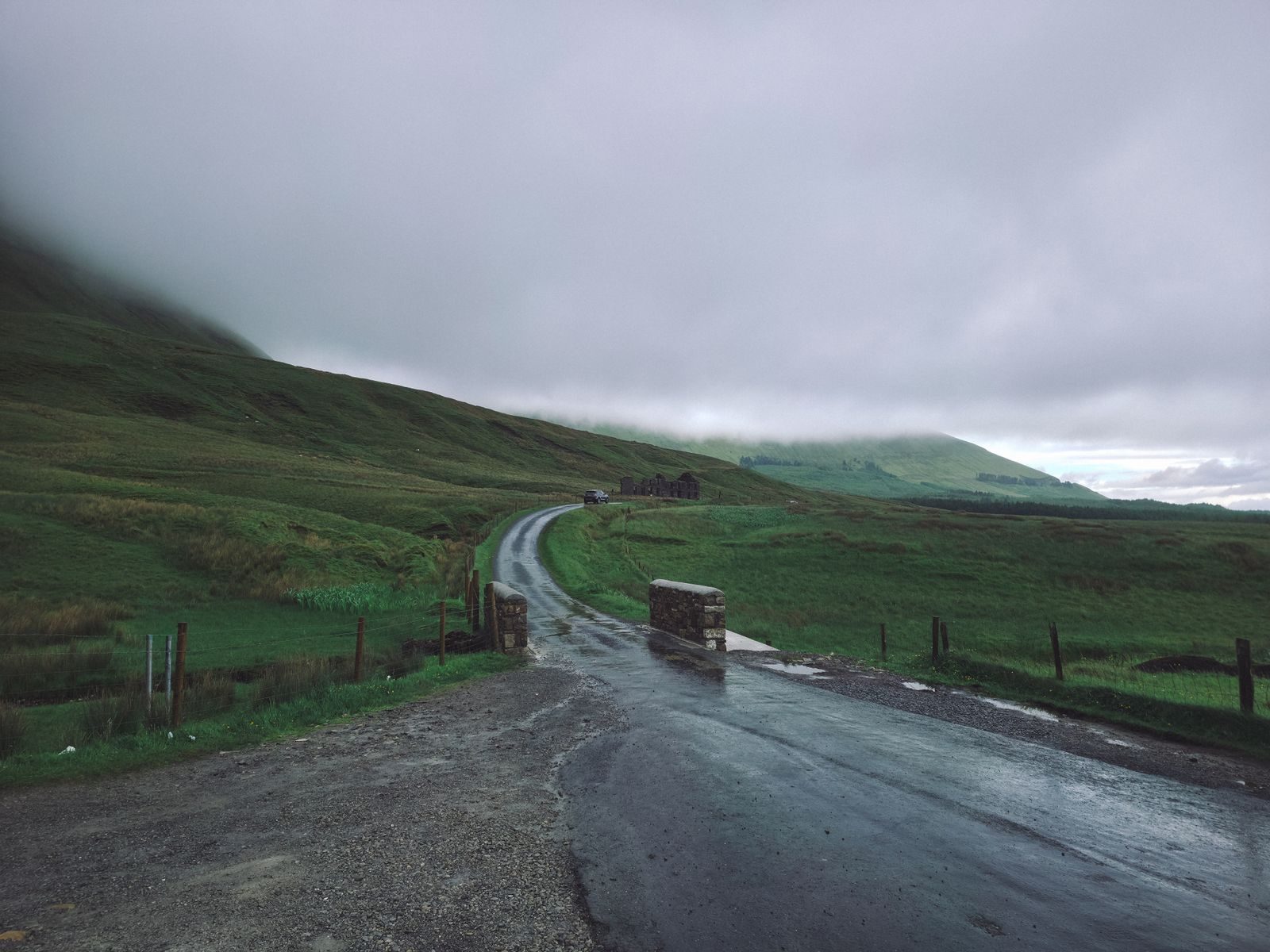
The estimate people make most often is to divide the distance by 100 km/h. That does not work. On a motorway you can average close to 100 km/h if it is quiet. On a national road you will be slower. On a coastal or mountain road you may be below 50 km/h for much of the time.
| Road type | Realistic average speed | Note |
|---|---|---|
| Motorway | 90–100 km/h | Lower at busy times. |
| National road | 70–80 km/h | Villages on the route slow you down. |
| Regional road | 50–60 km/h | Bends, agricultural vehicles. |
| Coastal or mountain road | 30–50 km/h | Views, fog, narrow roads. |
Put one stop in every two hours of the plan. Not only is it safer, but those stops are often the places you will remember best.
Fuel and services
Motorway services are on some of the main routes, and you can get fuel, food and a toilet there. In rural areas, though, there can be 40 or 50 km between stations. You do not want to be driving with the fuel light on.
- Fill up before you set off on a coastal or mountain road.
- Check that the nearest station is on your route, not only at your destination.
- In remote areas, stations may close early or not open on Sundays.
Parking
Roadside parking is common, but it is not always safe. In rural areas there are often gates and narrow lanes, and you should not block them. In cities, look at the signs on the footpath and at the meters.
If you are going to a well-known place, check in advance whether there is a car park and when it fills. Car parks are often full by midday in August.
Weather
The weather in Ireland is changeable. A shower is not a hazard, but fog, strong wind and slippery roads come with it. If you are going onto a mountain road, look at the day's forecast and at the signs on the road.
One thing that makes a difference. Start earlier. Coastal roads are quiet early in the morning, and you can stop before the traffic arrives.
Emergency and contact
112 is the European emergency number, and 999 also works. In the case of an accident on a motorway, call, give the distance and the direction, and do not stand in a traffic lane.
| Situation | What to do |
|---|---|
| Danger to people | 112 or 999. |
| Accident on a motorway | 112 or 999; stand behind the barrier if you can. |
| A problem with a road or a sign | Contact TII or the local council. |
| A problem with a toll | Contact the toll operator named on the sign. |
Other practical arrangements
Traffic drives on the left in Ireland. If you come from a country where people drive on the right, watch the corners and the roundabouts. The roundabout is where people forget most: you go clockwise, and you give way to traffic coming from your left.
If you have a hire car, check that you have the right insurance and licence, and whether there is a limit on the distance you may drive. Those details are in the contract, and they have nothing to do with m5online.
Questions about this note
Short answers to the things people ask most.
Do I need a hire car to see the country?
A car is the most flexible way to see the coastal and mountain roads. There are trains and coaches between the main cities, but they do not go everywhere.
Which side of the road do people drive on in Ireland?
On the left. At a roundabout you go clockwise and give way to traffic from the left.
Is it safe to drive at night?
It is harder on rural roads without street lighting. If you are driving at night, reduce speed and watch for pedestrians and animals.
What is the best time to travel?
An early morning or a late afternoon is often quieter. Traffic is heaviest between 8 and 10 in the morning and 4 and 6 in the afternoon.
Related notes
Further reading that goes with this material.
 05
Coastal and mountain roads
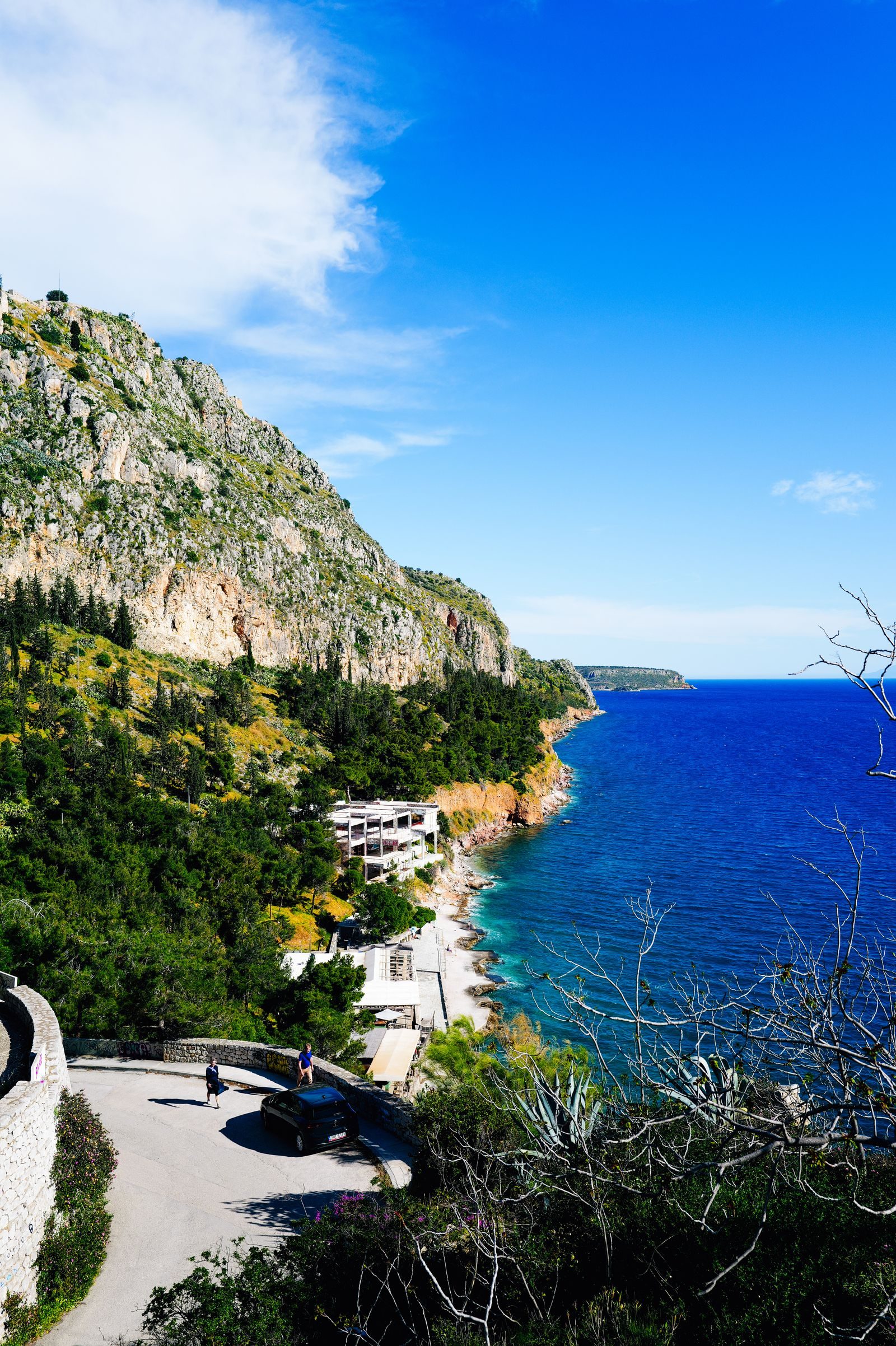
Wild Atlantic Way, Ring of Kerry, Conor Pass and the narrow roads.
Read the note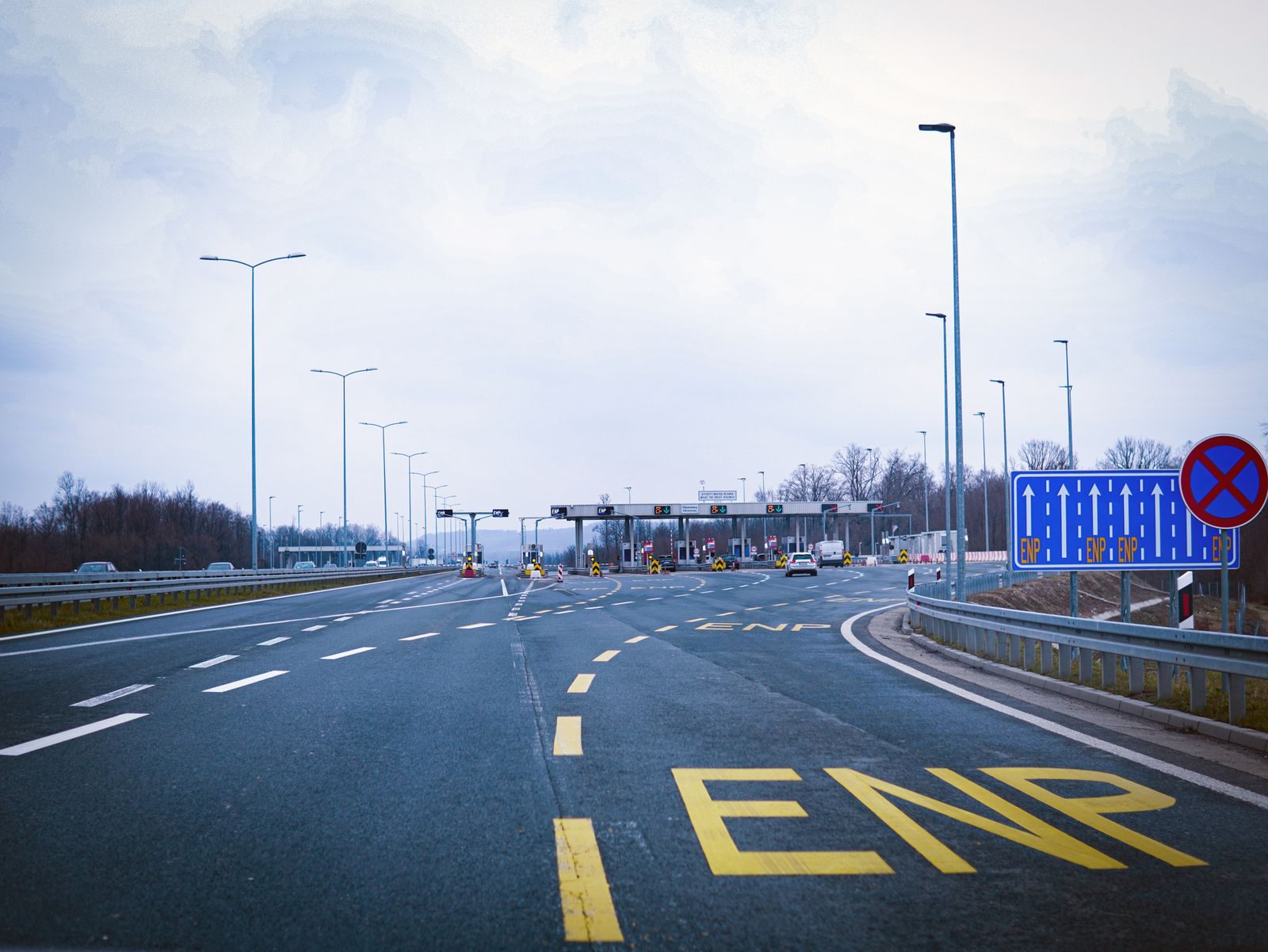 04
Road tolls
Barrier-free tolling on the M50, and which routes charge a toll.
Read the note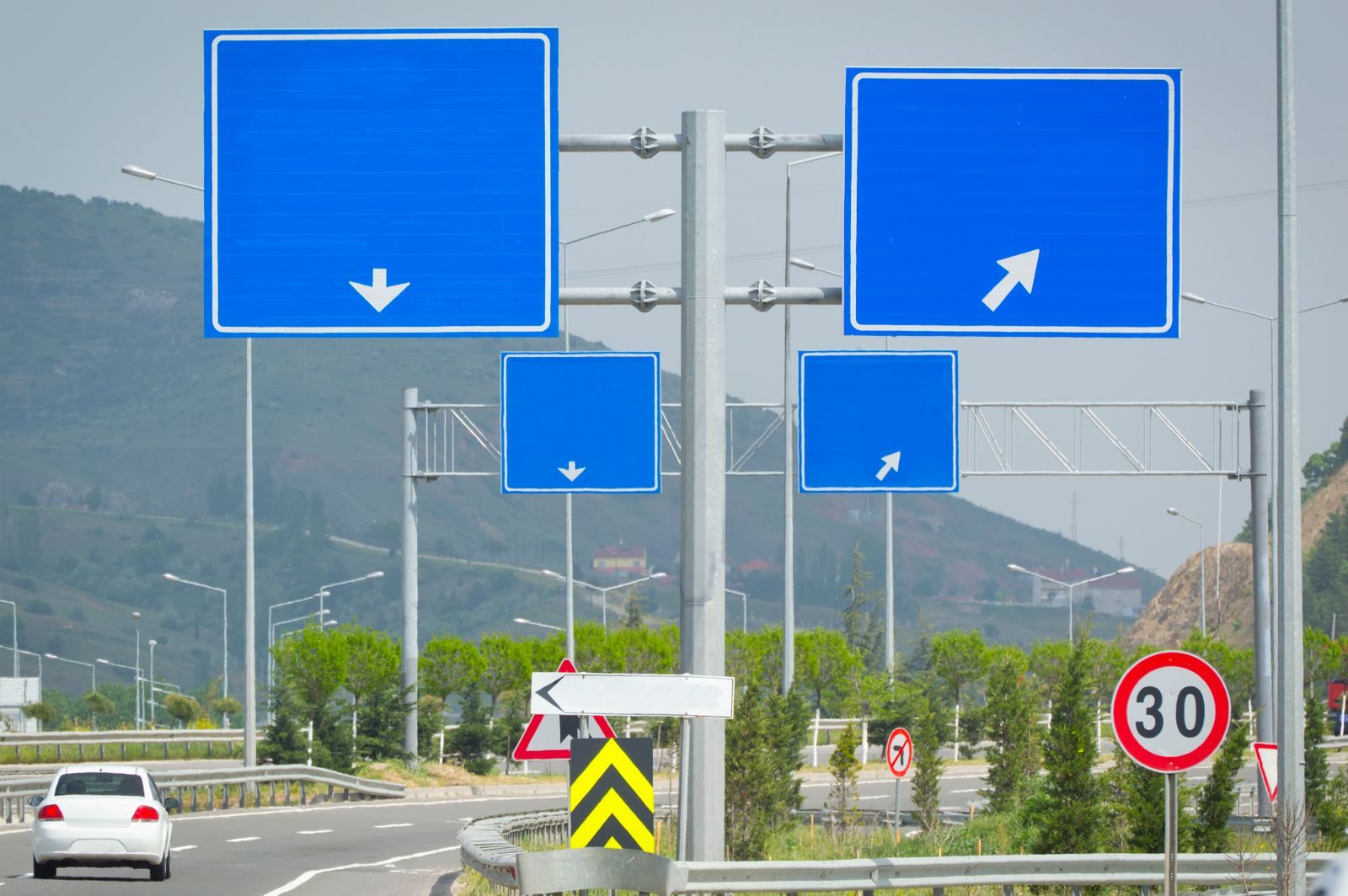 06
Signs and speed limits
Blue, green, white, brown: how to read Irish road signs.
Read the note