
Note 06 · Reading the road
Signs and speed limits
The colour of a sign tells you the kind of road, and the number on the sign tells you the road precisely. Here is the useful part of the system, without the part you will never need.
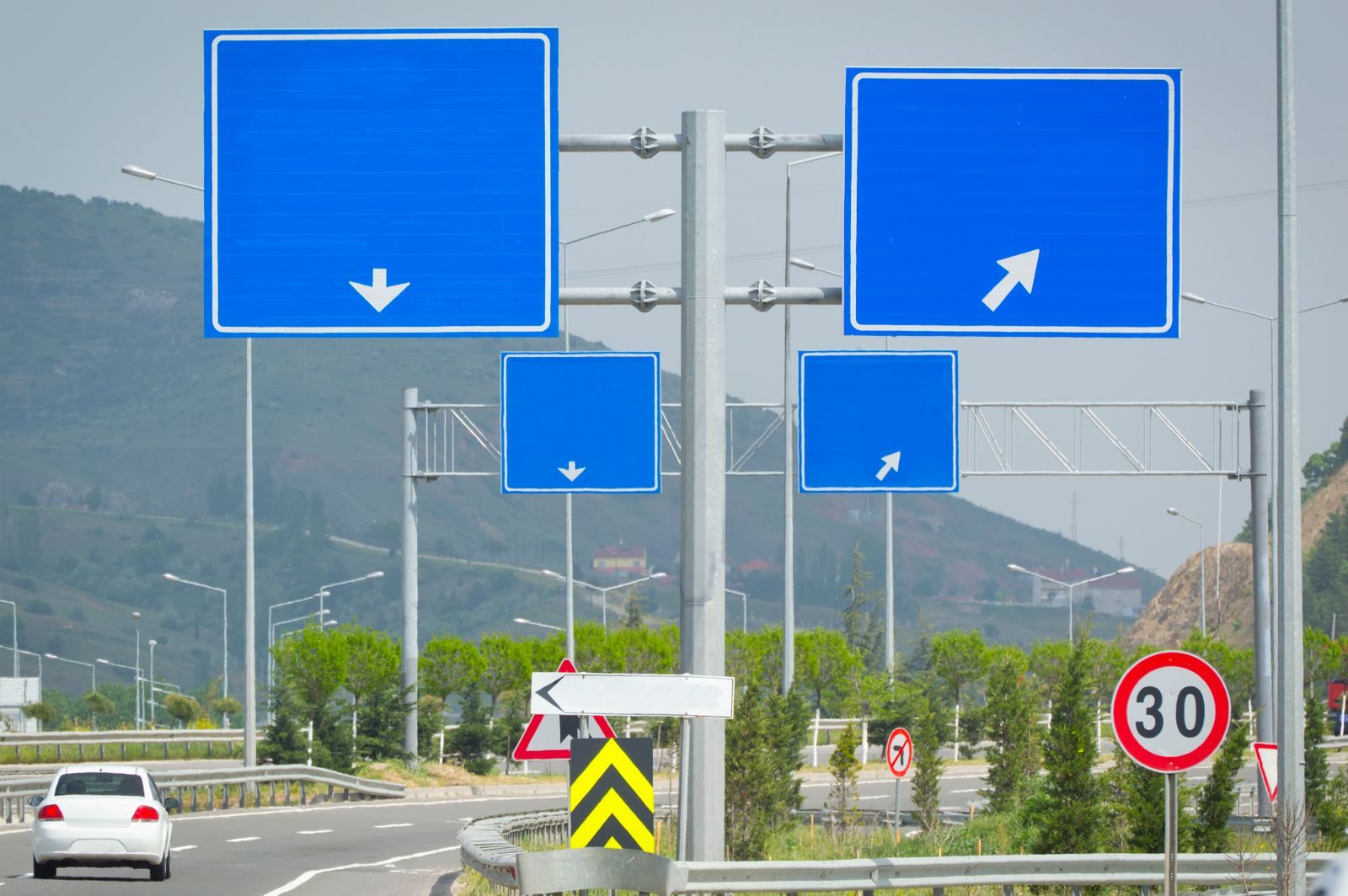
The colour tells you the type
There is a clear colour system that helps you recognise the kind of road quickly. The colour behind the sign is the first thing you see.
| Colour | What it means | Example |
|---|---|---|
| Blue | Motorway. Speeds up to 120 km/h. | M50, M1, M6, M7 |
| Green | Primary national road (N). | N4, N7, N25 |
| White with a black border | Regional or local road (R or L). | R148, L1035 |
| Brown | A tourist site or a view. | Wild Atlantic Way, castles, monasteries |
| Yellow (diamond) | A warning or a hazard. | Sharp bend, animals, narrow bridge |
| Red | A prohibition or a limit. | Speed, stop, no turn |
The number on the sign
Every designated road has a letter and a number. The letter is the first thing to look at:
MNRL
- M — motorway. Pedestrians, bicycles and slow vehicles may not use it.
- N — national road. N roads are managed by TII, and they are usually wider than local roads.
- R — regional road. It is in the care of the local council and is often narrower.
- L — local road. It is not suited to heavy traffic, and it is where the least legible signs are.
Speed limits
The speed limit is the white sign with a red border and a black number. There are three things to remember: it is a maximum, not a target; it may be lower than the general limit; and the limit is always lower where people live.
| Road type | Maximum | Note |
|---|---|---|
| Motorway | 120 km/h | Sometimes lower according to local signs. |
| National road | 100 km/h | 80 km/h on some sections. |
| Regional or local road | 80 km/h | Lower signs are common. |
| Built-up area | 30 km/h | A town or village; sometimes 50 km/h on major streets. |
A note on speed limits. The default limit in built-up areas has changed in recent years, and some signs are still being replaced. The sign you can see is the one that applies to you, not the number that was in force when this page was published.
Warning signs
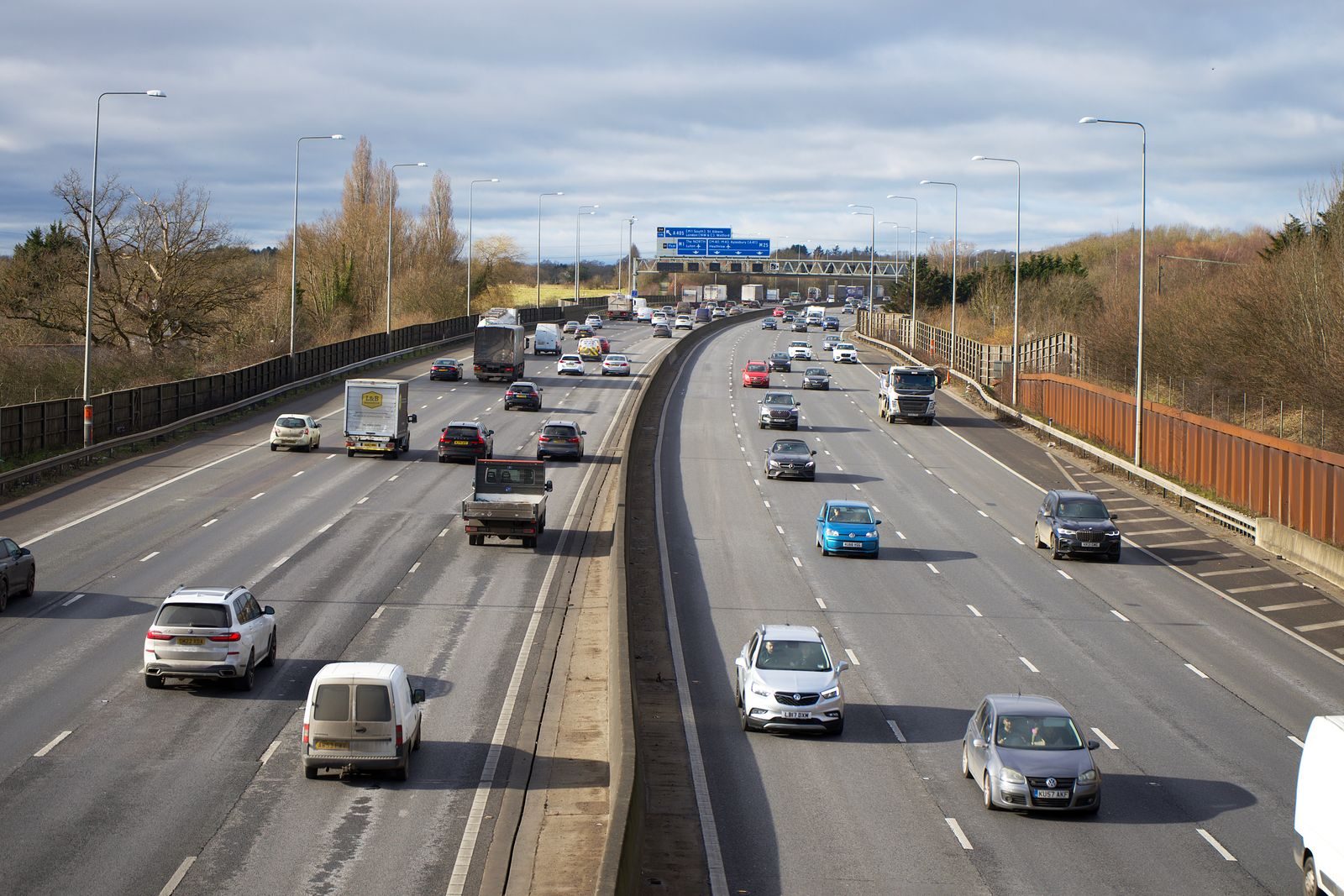
A warning sign is yellow with a black border and a black symbol. It means “look out”: a sharp bend, a narrow road, a bridge, animals, children, a slippery road. It is a sign that the road is not changing, but that there is something ahead that you cannot see yet.
A yellow sign is not the same as a red one. Yellow advises you; red forbids you. If both appear together, follow the red one.
Irish and English
Most signs in the country are bilingual, and Irish often comes first. You do not need to read Irish to follow the road: the English name and the Irish name are usually the same, and both appear on the sign. In Gaeltacht areas, Irish may appear on its own on local signs.
It is worth knowing a few names that are very different from their English form: Baile Átha Cliath (Dublin), Corcaigh (Cork), Gaillimh (Galway), Luimneach (Limerick), Port Láirge (Waterford), Cill Chainnigh (Kilkenny).
Questions about this note
Short answers to the things people ask most.
What speed can I drive on a motorway?
The general maximum is 120 km/h, but lower signs may apply. The speed should always suit the weather and the traffic.
What do R and L mean on a sign?
It is a regional road (R) or a local road (L). They are usually narrower and slower than national roads.
Are signs always in English only?
No. Most are bilingual. In Gaeltacht areas, Irish may appear on its own on local signs.
What does a brown sign mean?
A tourist site or a view. It is not a road rule, but a place worth seeing.
Related notes
Further reading that goes with this material.
01
Motorways
The M network from north to south, junction numbers and how to read them.
Read the note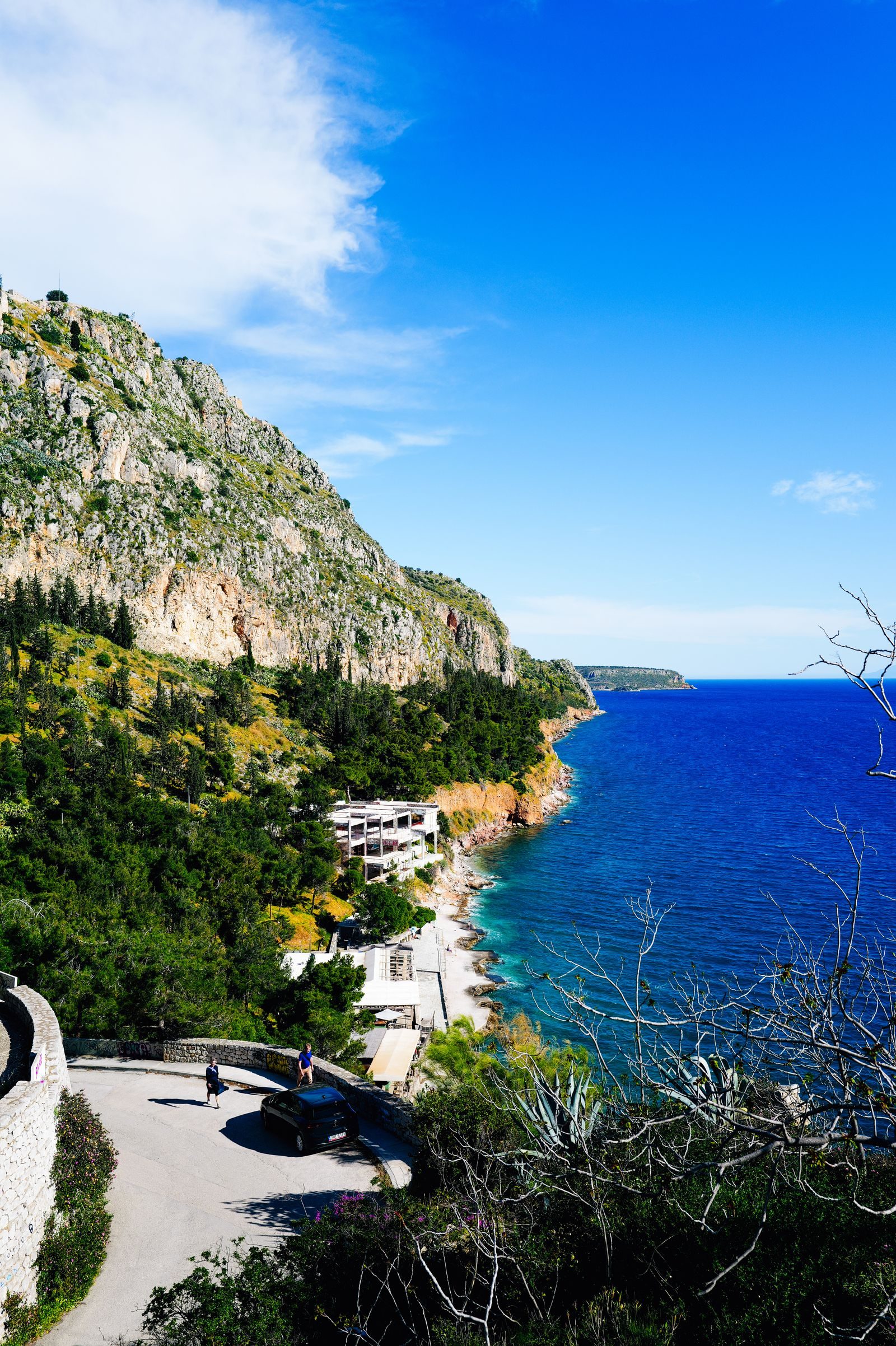 05
Coastal and mountain roads
Wild Atlantic Way, Ring of Kerry, Conor Pass and the narrow roads.
Read the note 07
Trip planning
Distances, driving time, fuel, parking, weather and emergencies.
Read the note